Close
  • Home
  • About Us
  • Services
    • Criminal Lawyer
    • Bail Lawyer
    • Family Lawyer
    • Divorce Lawyer
    • Civil Lawyer
    • Propery Lawyer
  • Resouces
    • Blog
    • Testimonials
    • Court Judgements
  • Contact Us
  • +91 98259 49809
  • info@sutarialawfirm.com
  • Mon- Sun : 24X7
Facebook Instagram Linkedin
  • Home
  • About Us
  • Services
    • Criminal Lawyer
    • Bail Lawyer
    • Family Lawyer
    • Divorce Lawyer
    • Civil Lawyer
    • Propery Lawyer
  • Resouces
    • Blog
    • Testimonials
    • Court Judgements
  • Contact Us

  • Home
  • About Us
  • Services
    • Criminal Lawyer
    • Bail Lawyer
    • Family Lawyer
    • Divorce Lawyer
    • Civil Lawyer
    • Propery Lawyer
  • Resouces
    • Blog
    • Testimonials
    • Court Judgements
  • Contact Us

Divorce Lawyer

Difference between Court Marriage and Registered Marriage in India

By Shiv 

In India, Court Marriage and Registered Marriage are two different concepts, although they may be interconnected in some cases. Here’s an explanation of the differences between the two:

Court Marriage:

Court marriage refers to a marriage solemnized and registered by a marriage officer in a court of law, usually under the Special Marriage Act, 1954. Court marriage is an option available to couples who wish to marry irrespective of their caste, religion, or nationality. It provides a legal framework for interfaith and inter-caste marriages. The process involves the following steps:
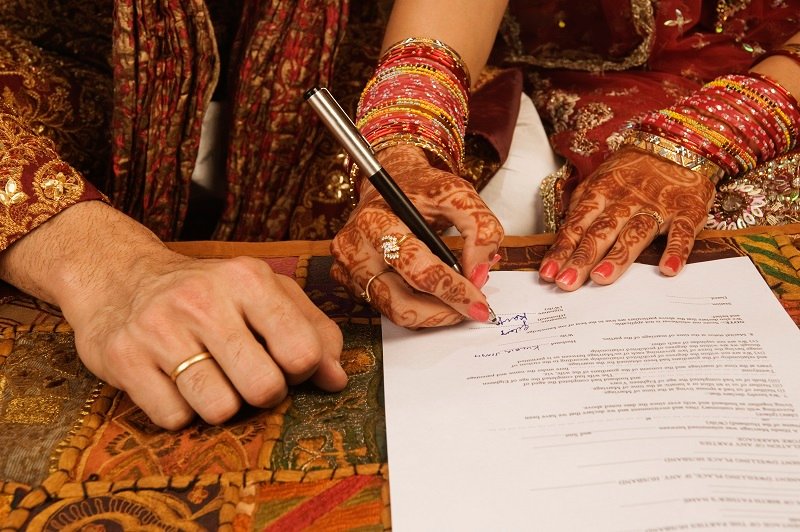
  • Notice of Intended Marriage: The couple intending to marry needs to give a notice of intended marriage to the Marriage Registrar of the district where at least one of them has resided for at least 30 days prior to giving the notice.
  • Publication of Notice: The notice of intended marriage is published at the office of the Marriage Registrar for a specified period, usually 30 days, to allow any objections to be raised against the marriage.
  • Objections and Inquiry: If there are no objections raised during the specified period or if the objections raised are found to be invalid, the marriage officer proceeds with the solemnization of the marriage.
  • Solemnization and Registration: The court marriage ceremony takes place in the presence of the marriage officer and two witnesses. The couple declares their intention to marry, and the marriage officer solemnizes the marriage. Following the solemnization, the marriage is registered, and a marriage certificate is issued.

Registered Marriage:

Registered marriage, on the other hand, refers to the process of officially registering an already solemnized marriage under the Hindu Marriage Act, 1955 or any other relevant marriage laws, with the Registrar of Marriages. It can be done either through a court or a sub-registrar’s office. The process involves:
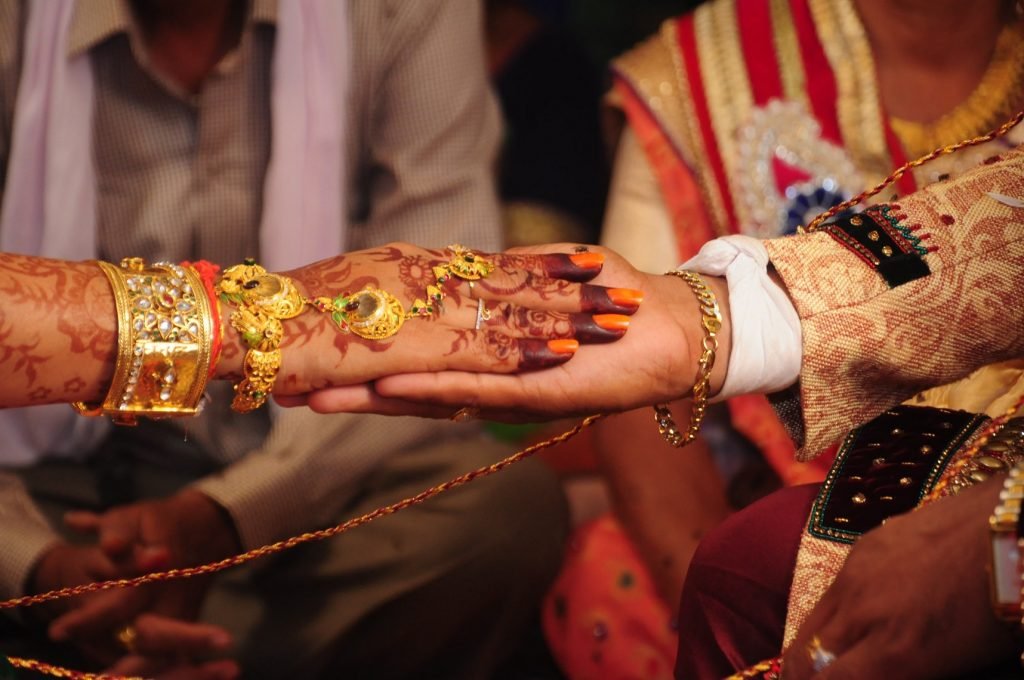
  • Solemnization of Marriage: The marriage is solemnized according to the customs and rituals of the couple’s religion or personal beliefs.
  • Obtaining Marriage Certificate: After the marriage ceremony, the couple needs to apply for a marriage certificate from the concerned marriage registration office. The application should be accompanied by the necessary documents such as identity proof, address proof, age proof, and photographs.
  • Verification and Registration: The marriage registration office verifies the documents and information provided. Once the verification is complete, the marriage is registered, and a marriage certificate is issued.

In summary, court marriage refers to a marriage solemnized and registered in a court under the Special Marriage Act, while registered marriage involves the official registration of a marriage that has already been solemnized under the relevant marriage laws. Court marriage provides a legal framework for interfaith and inter-caste marriages, whereas registered marriage focuses on the registration and documentation of a marriage that has already taken place.


How to apply for Divorce in India courts?
Next Article

Shalin Sutaria

Our strong practice areas are family law, criminal law, civil law, commercial, banking, labor, litigation & arbitration and real estate.

Facebook Instagram Linkedin

Explore

Home
About Us
Criminal Lawyer
Court Judgements

Summary

Bail Lawyer
Divorce Lawyer
Privacy Policy
Terms of Service

Address

  • +91 98259 49809
  • info@sutarialawfirm.com
  • 206, 2nd Floor, Campus Corner,
    ST. Xavier's Collage Road,
    Navrangpura,
    Ahmedabad - 380 009
Copyright 2023 by Shalin Sutaroa All Right Reserved.